




Lion Conservation Landscapes
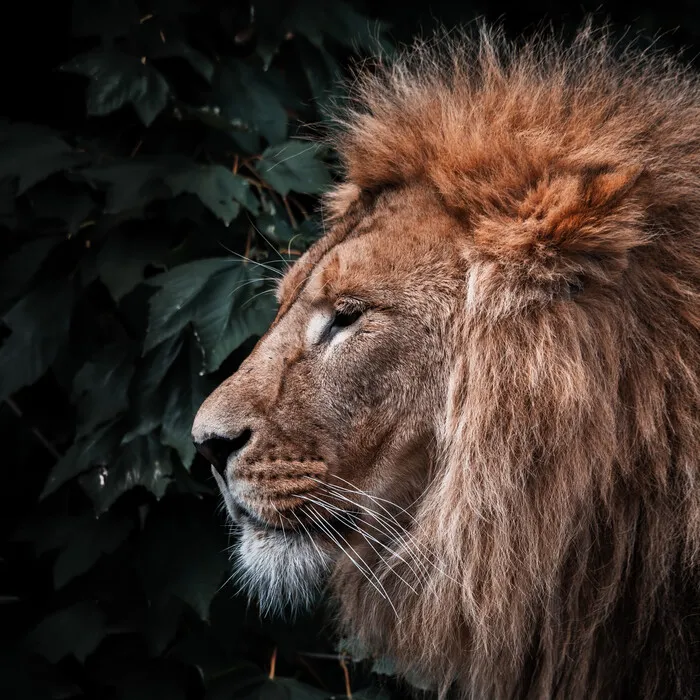
Lion populations across Africa have declined dramatically over the 20th century, from an estimated 500,000 in 1950 to roughly 20,000 today. These populations are largely located in eastern and southern Africa, with a few fragmented populations elsewhere through their historical range. Much of this disappearance has been driven by conflict with humans and our land uses. However, re-establishment efforts in several different protected areas have had considerable success, suggesting that lion populations could expand again under the right circumstances.
Here we show maps and data from a new 20-year analysis of lion conservation landscapes at range-wide, national, and landscape scales using the Google Earth Engine and satellite imagery from NASA and the European Space Agency. Lion conservation landscapes are large blocks of lion habitat with low human footprint. We recognize three main types: species landscapes, where lions have been known to live during the previous five years; survey landscapes, where the status of lions is uncertain; and restoration landscapes, where lions have been extirpated. We also map fragments of habitat where lions are found (species fragments), where their status is uncertain (survey fragments), and where they have disappeared (restoration fragments) from 2001 — 2020. As new data becomes available, we will update the results on the website. Our current analysis only focuses on the African portion of their range, though lions formerly ranged throughout southern Eurasia.
View MapHow are lions doing today?
As of the 1st of January 2020, there were 45 Lion Conservation Landscapes spread across 24 countries, the largest of which spans over one million square kilometers in southern Africa. 15 of these landscapes are trans-boundary, crossing more than one country border. Of these, four landscapes cross into three different countries, one crosses into four countries, and one crosses into six countries. These landscapes are the backbone of any strategy to conserve the lion, but they only tell part of the story. A third of available lion habitat occurs in restoration landscapes, survey landscapes, and fragments. To achieve rangewide conservation, it is necessary to reconnect these landscapes and fragments and repopulate them with lions, either through intentional, scientifically-managed reintroduction programs or by enabling natural dispersal and reestablishment.
How has lion habitat changed in the 21st century?
Between 2001 and 2020, the total area of lion landscapes and fragments declined by roughly 14%. However, these losses were highly regional, with particular steep declines in the southern Democratic Republic of the Congo, Angola and Namibia. By contrast, lion habitat in Kenya, Tanzania, and the Central African Republic has been relatively stable.