




Jaguar Conservation Landscapes
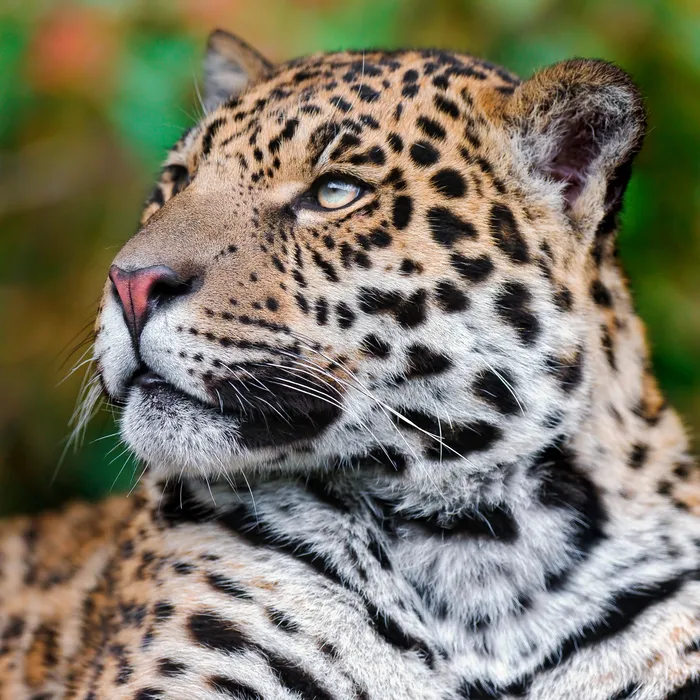
Where do jaguars live? And how are their habitats changing? Here, we provide maps and data from a new analysis spanning 20 years (2001-2020) of jaguar conservation landscapes (JCLs) at range-wide, national, and landscape scales using the Google Earth Engine and satellite imagery from NASA and the European Space Agency. JCLs are considered large blocks of habitat with low human footprint suitable for jaguars. We recognize three main types: species landscapes, where jaguars have been known to live during the previous five years at least in one location of the landscape; survey landscapes, where the status of jaguars is uncertain; and restoration landscapes, where jaguars have been extirpated. We also map fragments of habitat where jaguars are found (species fragments), where their status is uncertain (survey fragments), and where they have vanished (restoration fragments) each year from 2001 — 2020. As new data becomes available, we will update the results on the website.
View MapHow are jaguars doing today?
As of 01 January 2020, the most recent available time point, 27 Jaguar Conservation Landscapes (JCLs) were identified across 18 countries, the largest of which covers almost 9 million square kilometers across the Amazon basin and south through Argentina. Of the 27 JCLs, 7 are trans-boundary, crossing more than one country border; the largest JCL spans 11 countries. While the JCLs provide a compelling backbone for any strategy to conserve the jaguar, these areas tell only part of the story. Around 20% of available jaguar habitat occurs in restoration landscapes, survey landscapes, or small fragments (species fragment, restoration fragment, or survey fragment). To achieve rangewide conservation, it is necessary to reconnect these landscapes and fragments and repopulate them with jaguars, either through intentional, scientifically-managed reintroduction programs or by enabling natural dispersal and reestablishment.
How has jaguar habitat changed in the 21st century?
Between 2001 and 2020, the total area of JCLs and fragments declined by over 12%. Most of this area has been lost in Brazil, particularly on the edges of the Amazon basin. Understanding country-specific trajectories is critical to better conserve jaguar habitat, particularly in transboundary landscapes.